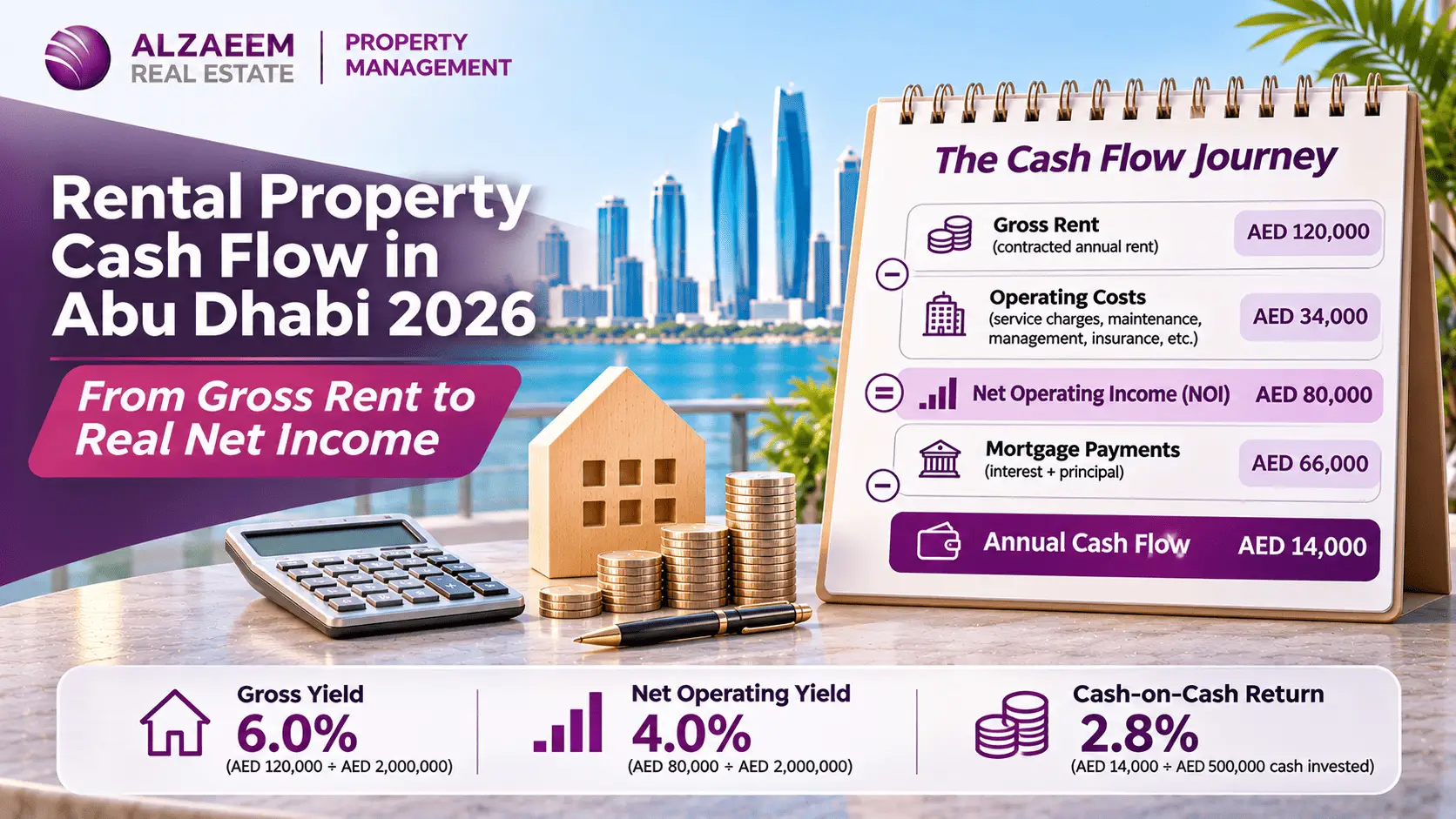
A property generating: AED 120,000 annual rent does not generate: AED 120,000 annual profit. That distinction sounds obvious. But many property-investment calculations still begin and end with: annual rent รท property price. That gives you a gross rental yield. It does not tell you how much money actually remains in the landlord's account. Real cash flow can be affected...
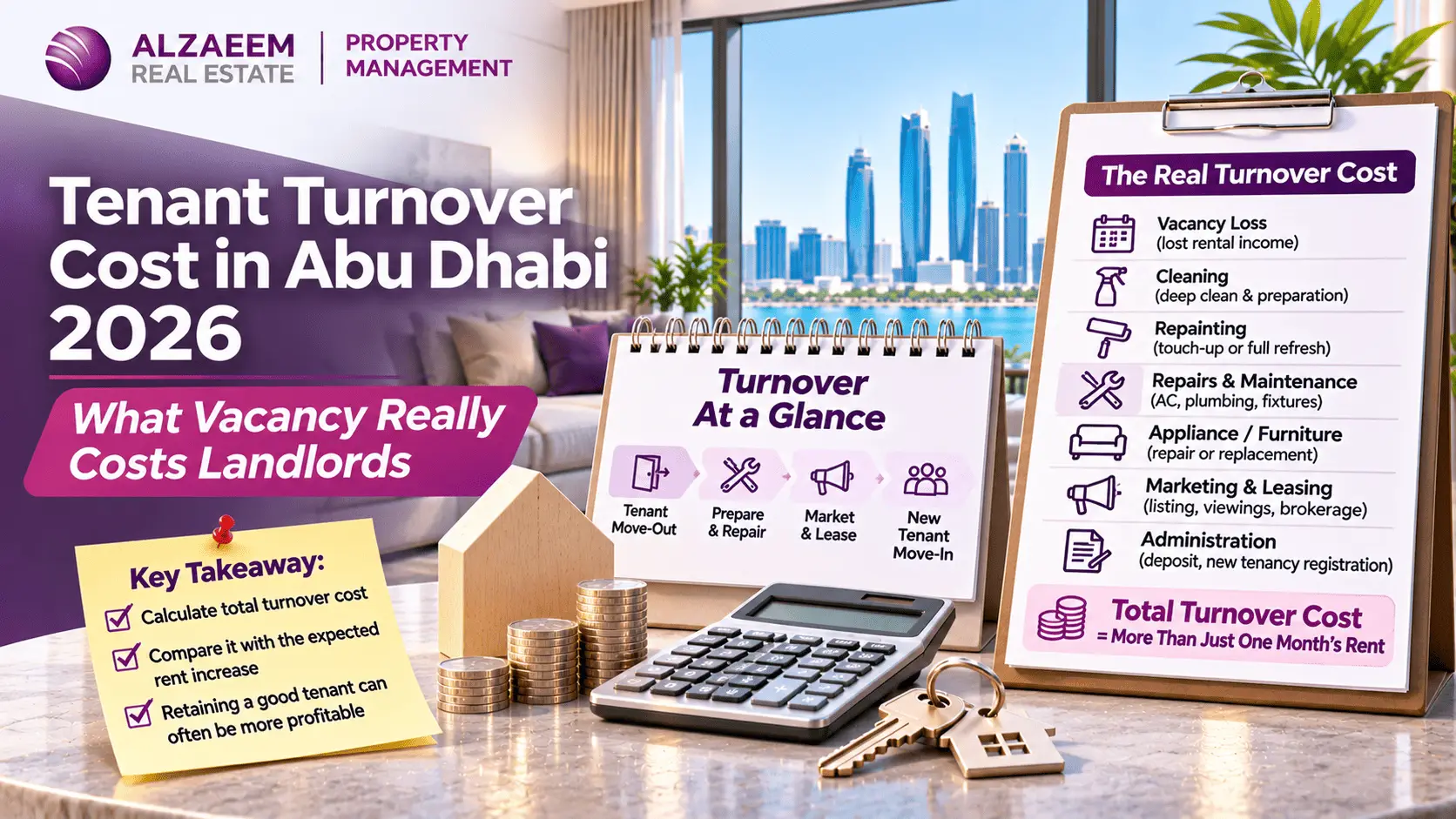
When a tenant leaves a rental property, many landlords think the cost is simply: one month without rent. Usually, it is more complicated than that. Tenant turnover can involve: lost rent; cleaning; repainting; minor repairs; appliance or fixture replacement; move-out inspection; deposit reconciliation; new photography; re-marketing; viewings; tenant...
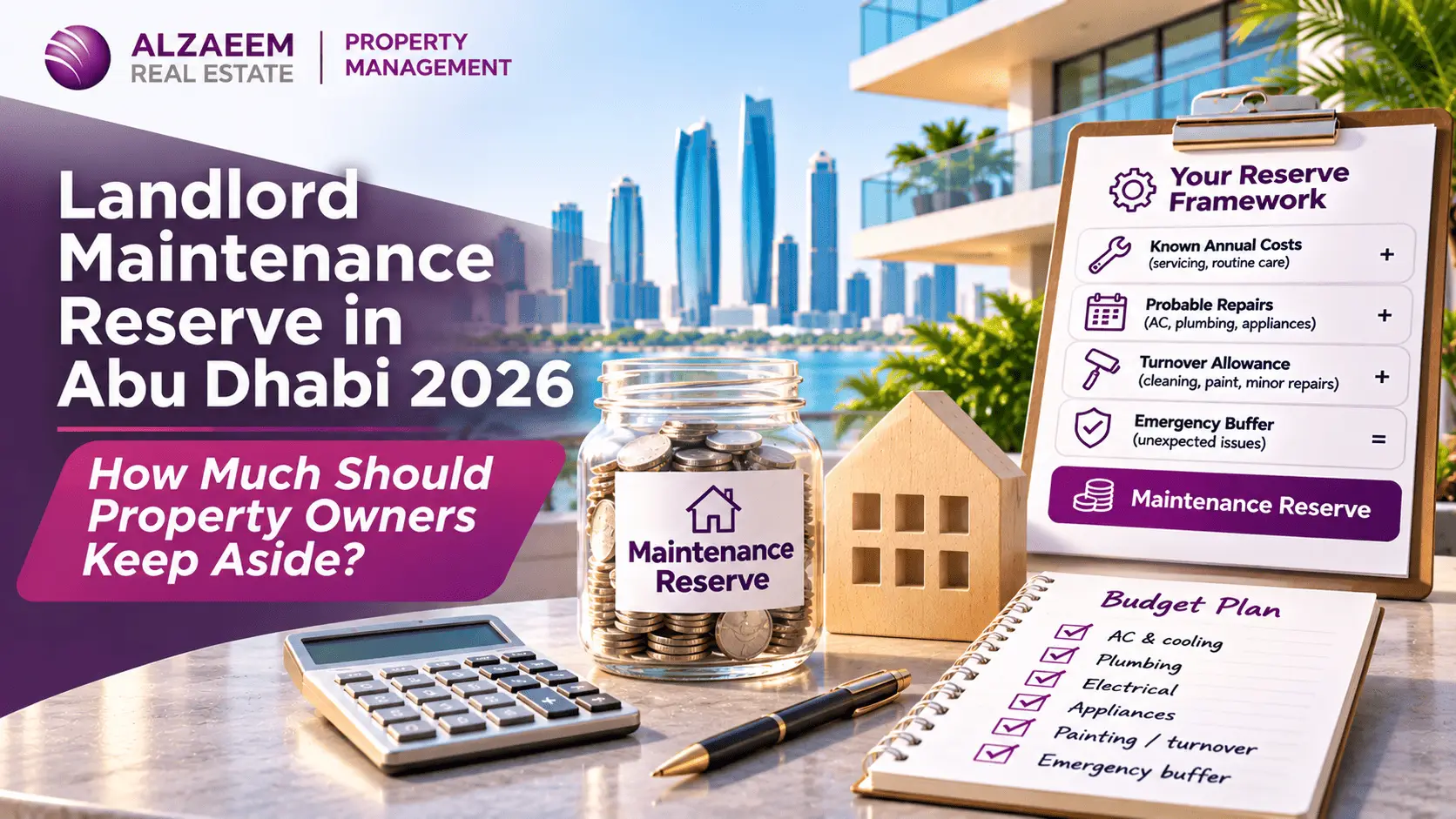
A rental property can generate income. It can also generate: AC failures; plumbing repairs; appliance replacements; repainting; tenant-turnover costs; emergency call-outs; unexpected vacancy. That is why serious landlords should maintain a: maintenance reserve. A maintenance reserve is money deliberately kept aside for property-related expenses that are expected...
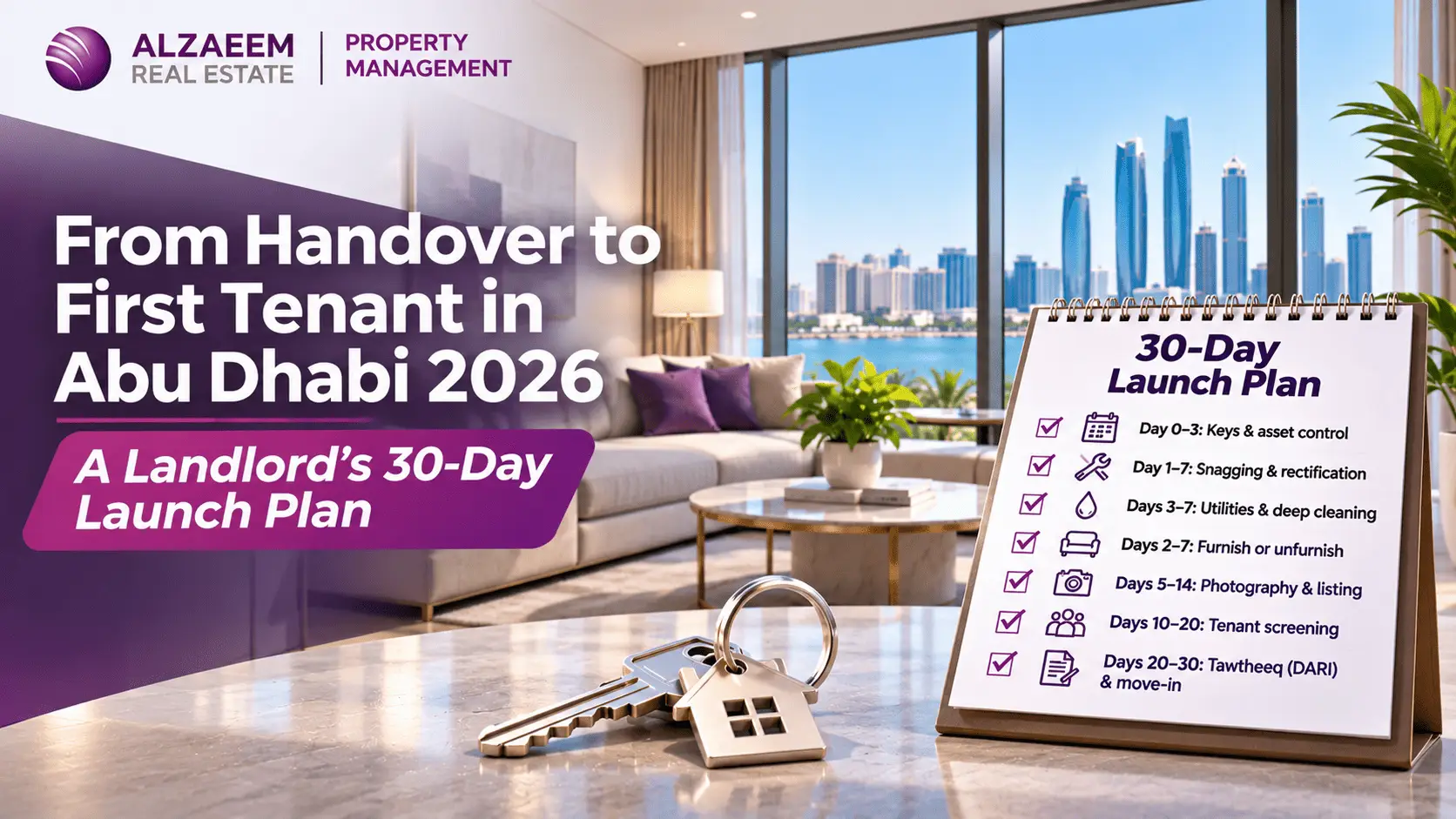
Receiving the keys is not the end of an investment property purchase. For a landlord, it is the beginning of the most important operational stage: turning an empty property into an income-producing asset. Every day between: key collection and tenant move-in has a financial cost. A newly handed-over apartment may look complete, but it can still require: defect...
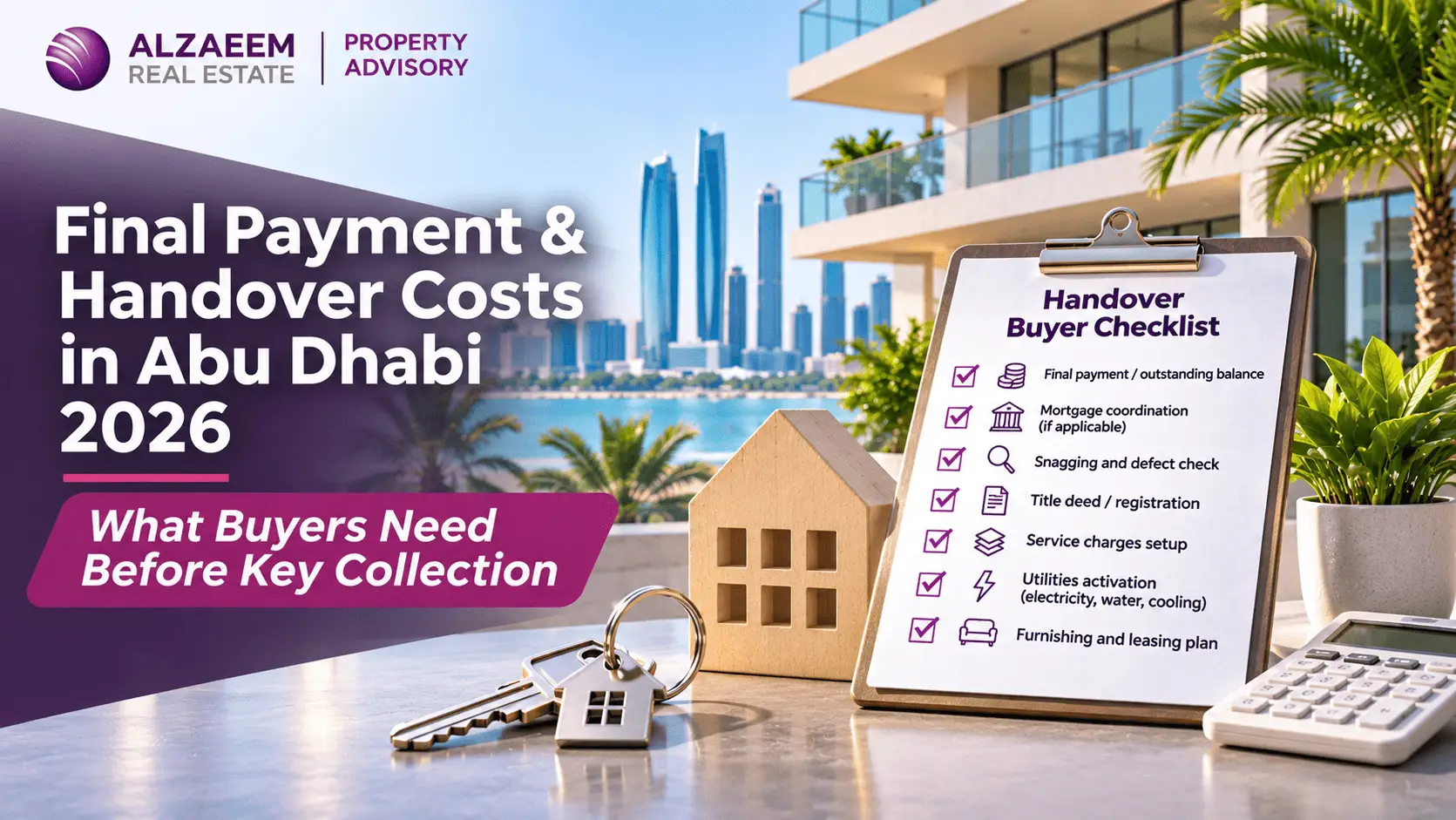
Buying an off-plan property does not financially end when construction reaches 100%. For many buyers, the most demanding part of the payment plan comes immediately before: key collection. At that stage, the buyer may need to coordinate: final purchase instalment; mortgage drawdown; registration requirements; snagging; service...
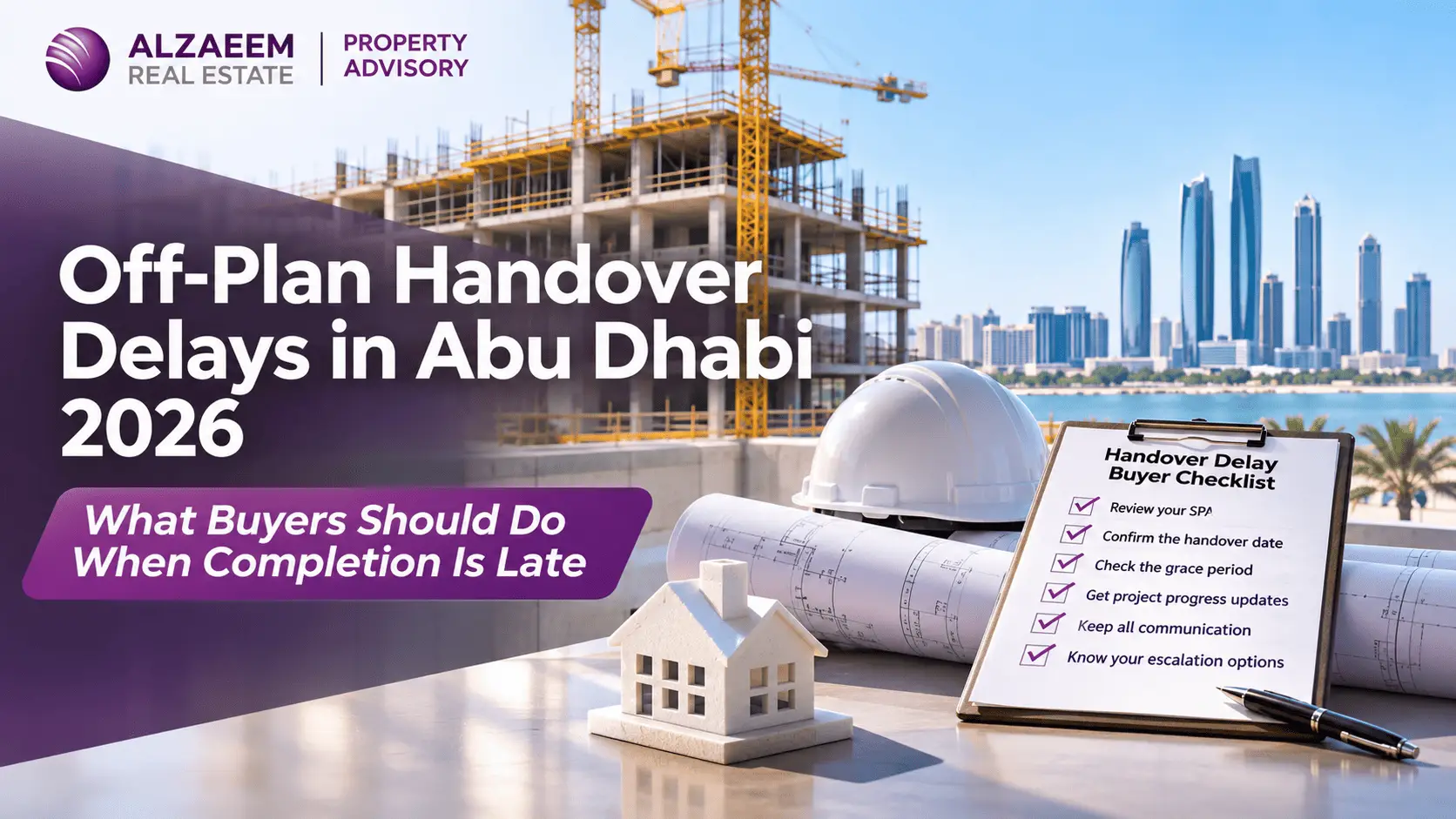
Off-plan property is built around a future date. You buy today. Construction continues. The developer eventually completes the project. Then comes: handover. But what happens when the date arrives and the property is not ready? This is one of the most important questions for Abu Dhabi off-plan buyers because a delayed handover can affect: mortgage planning; rental-income...
One of the most confusing questions in Abu Dhabi property ownership is: Who is actually responsible when something breaks? The answer is not always: the landlord; the tenant; the building; the developer. It depends on where the problem originates, what type of asset is affected, who caused it, and whether the issue belongs to the private unit or the jointly owned common...
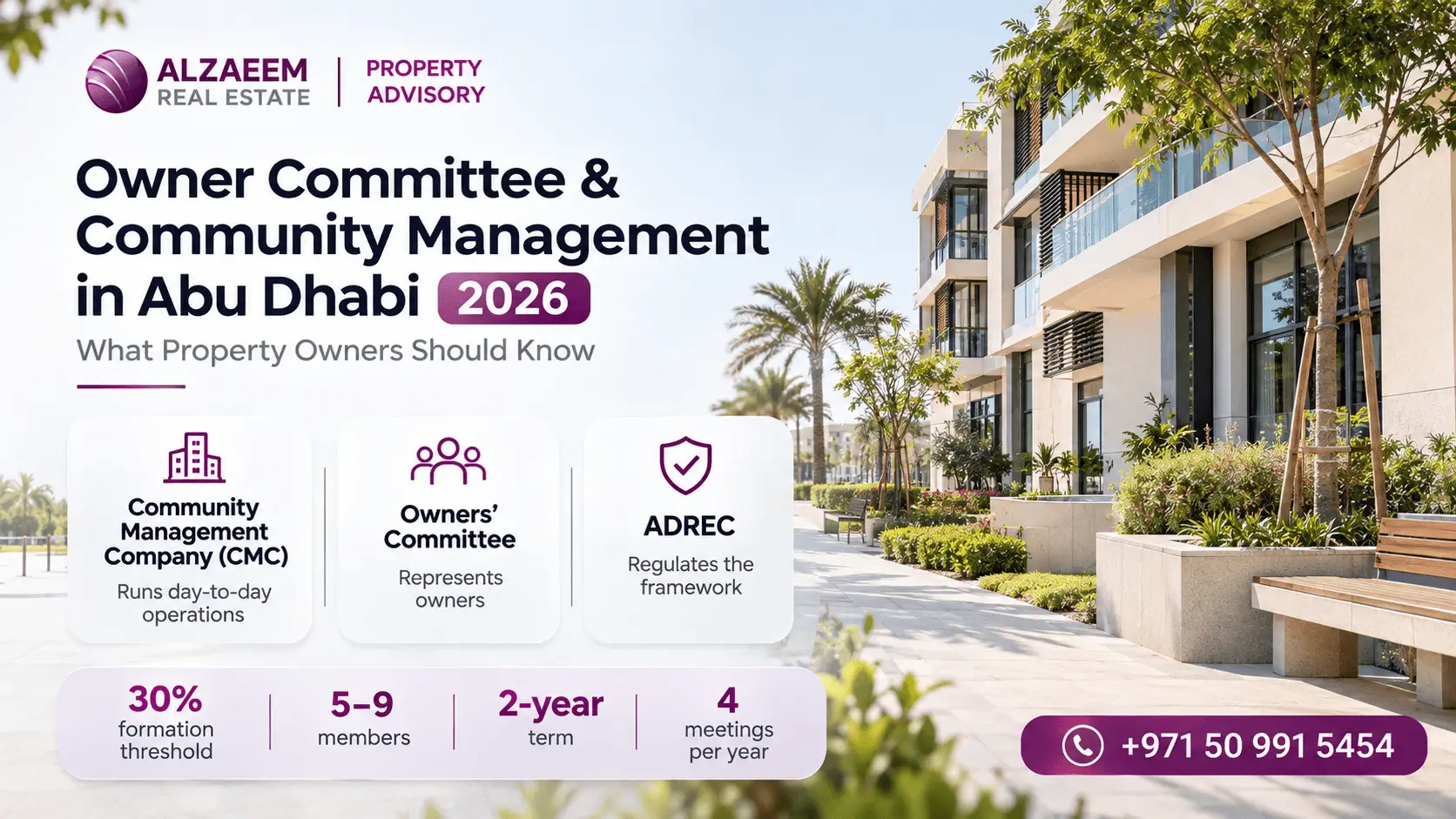
Buying an apartment means you own your unit. But you do not individually own or personally manage: the lobby; lifts; corridors; swimming pool; gym; landscaping; shared mechanical systems; common parking areas; building security; other common facilities. Those parts of the development require a separate governance and management structure. In Abu Dhabi, that...
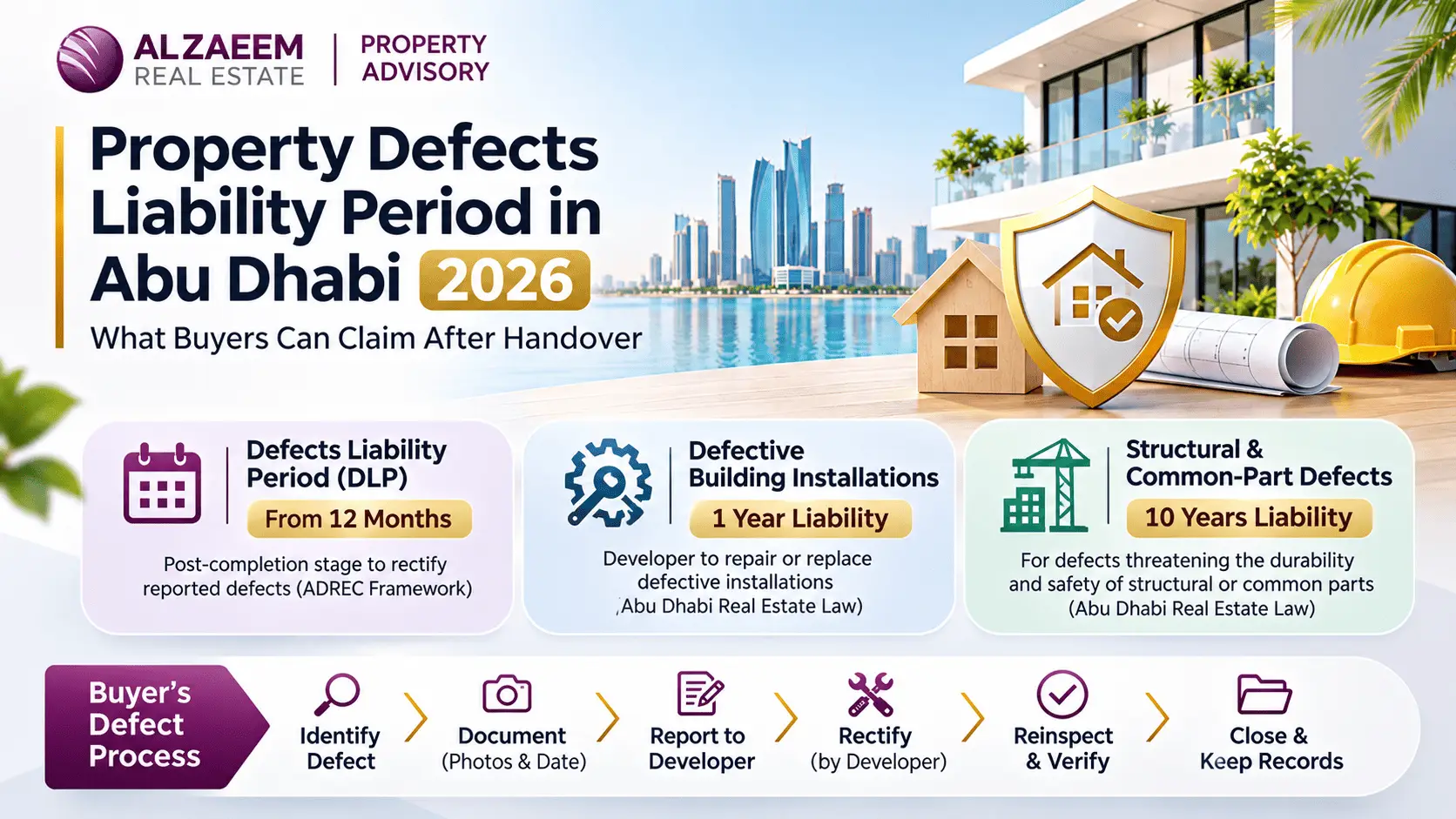
Property handover does not necessarily end the developer's responsibility. A buyer may: complete snagging; receive the keys; move into the property; rent it to a tenant; and still discover defects later. Examples can include: water leakage; AC problems; waterproofing failures; defective building installations; structural issues; defects that were not visible...
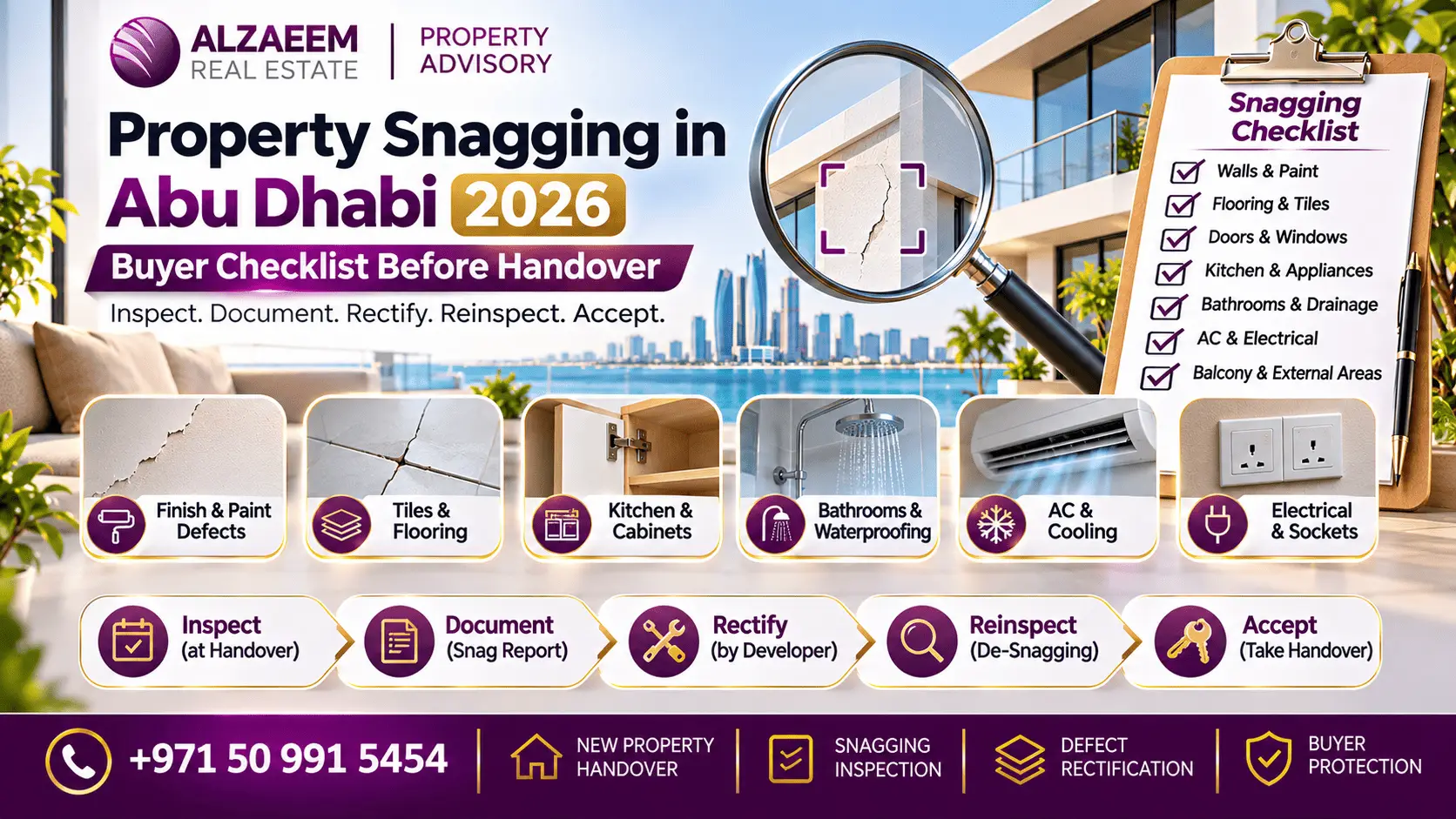
Buying a brand-new property does not mean receiving a perfect property. A newly completed apartment or villa can still contain: damaged finishes; misaligned doors; cracked tiles; poor sealant; paint defects; drainage problems; AC issues; electrical faults; plumbing problems; unfinished joinery; balcony defects. That is why property snagging exists. Snagging is...