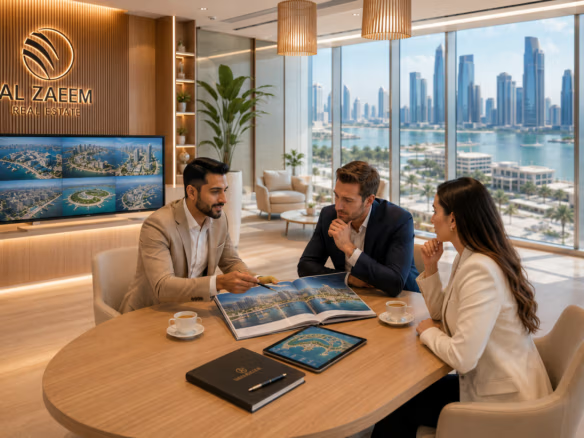




Building a real estate portfolio in Abu Dhabi is no longer limited to wealthy investors or institutional buyers. In 2026, the market is structured in a way that allows even first-time buyers to start small and grow steadily over time.
The key idea is simple: you don’t need multiple properties to start a portfolio—you only need one smart purchase.
With the right strategy, that first property can become the foundation for long-term wealth, passive income, and financial independence.
This guide explains how to start with one property in Abu Dhabi and gradually scale into a diversified real estate portfolio.
What Is a Real Estate Portfolio?
A real estate portfolio is a collection of property assets owned by an individual or investor. These properties can include:
- Residential apartments
- Villas
- Off-plan properties
- Rental units
- Holiday homes
The goal is not just ownership, but income generation and asset growth over time.
In Abu Dhabi, portfolio building is especially attractive due to:
- Strong rental demand
- Stable capital appreciation
- Tax-free rental income
- Expanding residential communities
Step 1: Start with the Right First Property
Your first property is the foundation of your portfolio. Choosing correctly is more important than buying multiple units.
Key factors to consider:
Location
Focus on high-demand areas such as:
- Yas Island
- Saadiyat Island
- Al Reem Island
- Al Raha Beach
These areas offer strong resale value and rental demand.
Property Type
Begin with:
- 1-bedroom or 2-bedroom apartments (easier to rent and resell)
- Or a small townhouse in a master community
Developer Reputation
Always choose trusted developers with strong delivery history and quality standards.
Step 2: Decide Your Investment Strategy
There are three common strategies in Abu Dhabi:
1. Buy and Hold (Long-Term Wealth)
- Rent the property after purchase
- Earn steady rental income
- Benefit from appreciation over time
2. Flip Strategy (Short-Term Profit)
- Buy off-plan early
- Sell before or after completion
- Capture capital gain
3. Hybrid Strategy
- Rent first
- Sell later when market value increases
Most successful investors in Abu Dhabi use a hybrid approach.
Step 3: Use Leverage Smartly (Mortgages)
One of the biggest advantages in 2026 is access to flexible mortgage options.
You can:
- Buy with a down payment (often 15–25%)
- Use bank financing for the remaining amount
- Keep cash available for future investments
This is how investors scale from 1 property to multiple units over time.
Step 4: Turn Your First Property into an Income Engine
Once you own your first property, it should start working for you.
Options include:
- Long-term renting (stable income)
- Short-term holiday rentals (higher returns in some areas)
- Corporate leasing (premium tenants, stable contracts)
Rental income can be reinvested into your next property.
Step 5: Reinvest and Scale Gradually
Portfolio building is a cycle:
- Buy first property
- Generate rental income or capital gains
- Save equity or profits
- Reinvest into second property
- Repeat the process
Over time, this creates a compounding effect where each property helps fund the next.
Step 6: Diversify Your Property Types
Once you own 2–3 properties, diversification becomes important.
You can diversify by:
- Location (island vs mainland)
- Property type (apartment vs villa)
- Income type (rental vs resale)
- Developer exposure
This reduces risk and increases long-term stability.
Why Abu Dhabi Is Ideal for Portfolio Building
Abu Dhabi offers several advantages that make portfolio building easier compared to many global markets:
1. Stable Market Growth
Prices grow steadily without extreme volatility.
2. High Rental Demand
Expats and professionals ensure consistent occupancy rates.
3. Tax-Free Income
No property tax or rental income tax increases net returns.
4. Strong Infrastructure Expansion
New communities continuously increase property value.
Common Mistakes New Investors Make
1. Buying Without Strategy
Random purchases without a long-term plan lead to weak portfolios.
2. Overleveraging Early
Taking too many loans at the start can create financial pressure.
3. Ignoring Location Quality
Cheap properties in low-demand areas limit growth.
4. Not Reinvesting Profits
Keeping money idle slows portfolio growth.
How Fast Can You Build a Portfolio?
The timeline depends on strategy:
- Conservative approach: 7–10 years for 2–3 properties
- Moderate approach: 5–7 years for 3–5 properties
- Aggressive investor strategy: 3–5 years with reinvestment cycles
Consistency matters more than speed.
Future Outlook for Abu Dhabi Real Estate Investors
By 2026 and beyond, Abu Dhabi is expected to see:
- Expansion of luxury waterfront developments
- Increasing international investor demand
- Stronger rental yields in key zones
- Continued infrastructure and tourism growth
Early investors will benefit most from long-term appreciation cycles.
FAQs
1. Can I start investing in Abu Dhabi real estate with one property?
Yes, many investors start with a single unit and scale gradually using rental income and equity.
2. What is the best property type for beginners?
1–2 bedroom apartments in high-demand areas are ideal for first-time investors.
3. Do I need a large budget to start a portfolio?
No, flexible payment plans and mortgages allow entry with moderate capital.
4. How do I finance multiple properties?
You can use rental income, refinancing, and mortgages to expand your portfolio.
5. Is real estate a good long-term investment in Abu Dhabi?
Yes, due to stable growth, strong demand, and tax-free returns.
Conclusion
Building a real estate portfolio in Abu Dhabi is not about starting big—it’s about starting smart.
With just one well-chosen property, investors can create a foundation for long-term wealth, passive income, and future expansion.
Over time, reinvestment and strategic planning can turn a single property into a diversified portfolio.
For investors looking to begin this journey with confidence, consulting a market expert like Al Zaeem Real Estate can help identify the right entry point and build a sustainable growth strategy in Abu Dhabi’s evolving property market.