


Quick Answer
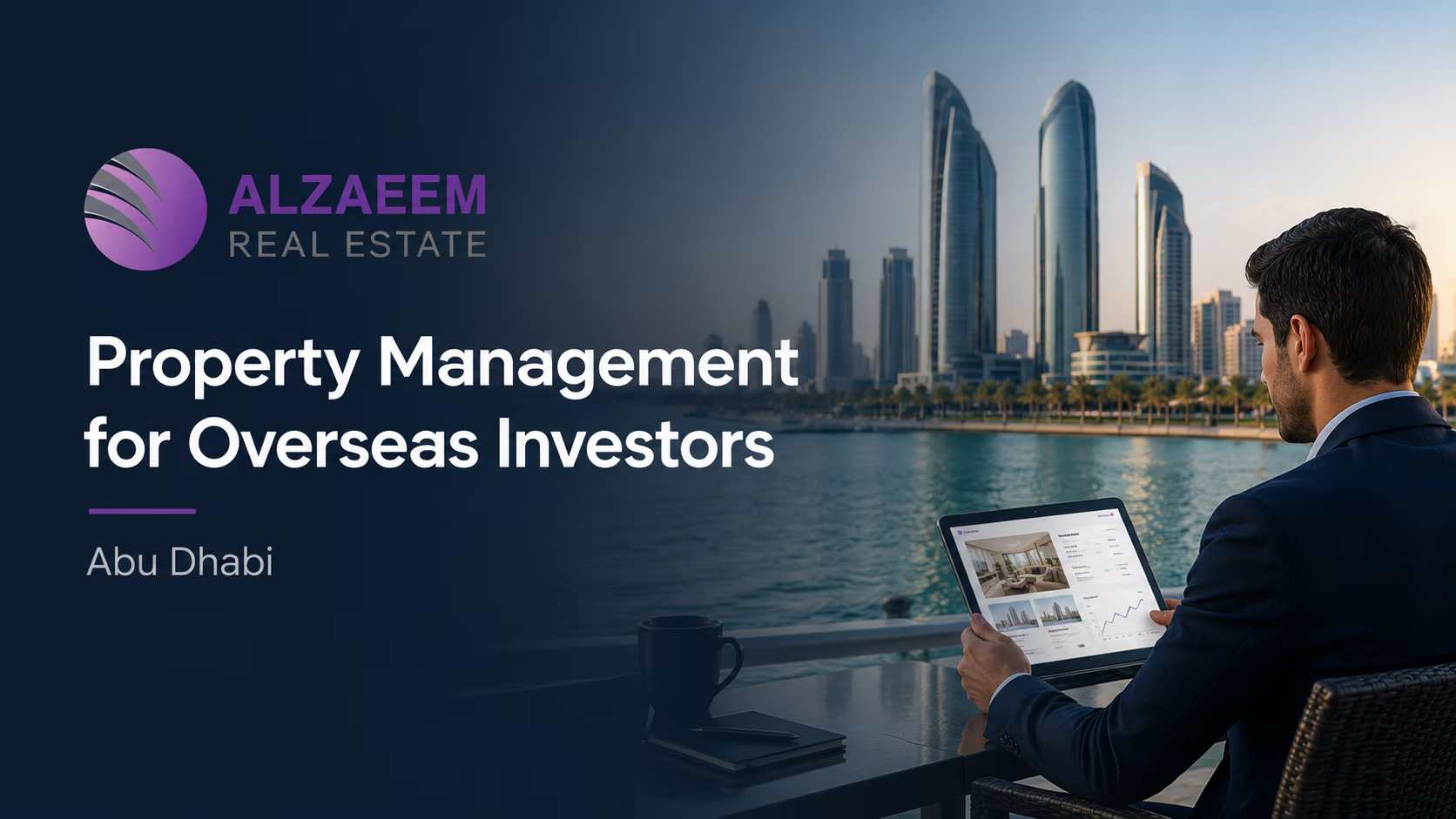
If you own Abu Dhabi property but live outside the UAE, professional property management can make the difference between a passive investment and a constant operational problem.
A good management structure should handle:
- tenant sourcing;
- tenancy documentation;
- rent collection;
- inspections;
- maintenance coordination;
- renewal;
- handover and move-out;
- vacancy management;
- reporting to the owner.
The core question is not:
“Can I manage the property myself?”
It is:
“Can I manage it efficiently from another country without damaging rent, tenant experience or asset condition?”
For many overseas investors, the answer is no.
That is why remote ownership should be designed from the beginning.
Why Overseas Investors Need a Different Strategy
A UAE-based owner can often:
- attend inspections;
- meet contractors;
- resolve tenant issues;
- visit the building.
An overseas owner cannot do this easily.
Distance creates friction.
Small problems can become bigger when nobody is monitoring:
- leaks;
- AC issues;
- tenant disputes;
- overdue rent;
- damaged interiors.
Professional management reduces that operational gap.
Property Management Is Not Just Rent Collection
This is a common misunderstanding.
Real property management should cover the entire lifecycle of the tenancy.
That includes:
- preparing the unit;
- marketing;
- screening;
- contracts;
- collecting rent;
- maintenance;
- renewals;
- exit inspections.
A manager should protect both:
- income;
- property condition.
1. Tenant Sourcing
The first job is finding a suitable tenant.
A good manager should help with:
- market rent;
- listing;
- viewings;
- tenant screening;
- negotiation.
The goal is not simply to fill the unit.
It is to find a tenant likely to:
- pay reliably;
- care for the property;
- stay for a reasonable period.
2. Market Rent Assessment
An overseas owner can easily be misled by asking prices.
The manager should compare:
- current listings;
- recent leasing activity;
- building demand;
- unit condition.
The rent should be realistic.
Too high can create vacancy.
Too low sacrifices income.
3. Tenancy Documentation
Remote owners need reliable administrative support.
A manager can coordinate:
- lease documentation;
- required registration;
- deposits;
- renewals.
This should be handled through current Abu Dhabi procedures and official systems where applicable.
4. Rent Collection
Rent collection should be clear and traceable.
The overseas owner should know:
- amount due;
- payment date;
- payment received;
- arrears.
A proper management process should provide reporting.
5. Maintenance Coordination
This is where remote ownership often becomes difficult.
Typical issues include:
- AC;
- plumbing;
- electrical;
- appliances;
- locks;
- water leaks.
The manager should coordinate:
- contractor;
- quote;
- owner approval where necessary;
- repair;
- completion evidence.
6. Emergency Response
Some issues cannot wait for an overseas owner to wake up in another time zone.
Examples:
- major leak;
- power issue;
- lockout;
- urgent AC failure.
The property manager should have clear emergency procedures.
7. Routine Inspection
A property can deteriorate slowly.
Regular inspection helps identify:
- moisture;
- damage;
- poor maintenance;
- misuse.
This protects long-term value.
8. Move-In Inspection
Before tenancy begins, condition should be documented.
Useful records may include:
- photographs;
- inventory;
- meter readings;
- keys;
- existing damage.
This reduces future disputes.
9. Move-Out Inspection
When the tenant leaves, inspect:
- damage;
- cleanliness;
- missing items;
- required repairs.
The condition should be compared with the move-in record.
10. Security Deposit Handling
The overseas owner should understand:
- deposit amount;
- custody;
- deductions;
- refund process.
This should be clearly documented.
Why Property Condition Matters to Investment Return
Poor maintenance can reduce:
- rent;
- resale value;
- tenant retention.
A well-managed property often rents more easily.
Management is therefore not just an expense.
It can help protect income.
Vacancy Management
If a tenant leaves, the manager should act quickly.
A vacant property may require:
- inspection;
- repairs;
- cleaning;
- photography;
- relisting.
Every week of delay can reduce annual return.
Vacancy Example
Expected annual rent:
AED 120,000
Approximate monthly rent:
AED 10,000
Two months vacant:
AED 20,000 gross income lost
Good management can reduce unnecessary vacancy.
Tenanted Property Can Be Easier for Overseas Buyers
An existing reliable tenant may reduce immediate management friction.
But always review:
- current rent;
- lease;
- tenant history.
See Tenanted vs Vacant Property in Abu Dhabi.
Vacant Property Gives More Control
A vacant unit lets the overseas investor choose:
- tenant;
- rent;
- furnishing strategy.
But it requires more initial management.
Ready vs Off-Plan for Remote Owners
Ready
Advantages:
- immediate rental potential;
- existing building;
- known management.
Off-Plan
Requires:
- handover coordination;
- snagging;
- furnishing;
- first tenancy setup.
For full comparison, see Off-Plan vs Ready Property in Abu Dhabi.
Handover Management for Off-Plan Buyers
An overseas investor may need someone locally to coordinate:
- handover inspection;
- snag list;
- keys;
- utilities;
- furnishing.
This can be particularly important if the owner cannot travel.
Snagging Matters
New property does not mean perfect property.
Check:
- finishes;
- doors;
- windows;
- AC;
- electrical;
- plumbing.
Problems should be documented before acceptance where applicable.
Furnishing Strategy
If the property will be rented furnished, the manager may help coordinate:
- furniture;
- appliances;
- curtains;
- inventory.
Do not over-furnish.
Investment furnishing should be:
- durable;
- attractive;
- easy to replace.
Furnished vs Unfurnished
Furnished
Potential advantages:
- higher rent;
- faster tenant move-in.
Potential disadvantages:
- replacement cost;
- damage;
- management.
Unfurnished
Potential advantages:
- lower operating complexity;
- longer-term tenants.
The best approach depends on area and tenant profile.
Tenant Communication
Remote ownership works better when the tenant has one clear local contact.
The manager should handle:
- maintenance requests;
- renewal questions;
- access coordination.
This reduces direct communication burden on the overseas owner.
Owner Reporting
A professional manager should provide useful reporting.
For example:
- rent received;
- expenses;
- maintenance;
- occupancy;
- upcoming renewals.
The overseas owner should not need to chase for basic information.
Keep Financial Records
Maintain records of:
- rent;
- service charges;
- maintenance;
- management fees.
This helps with:
- investment analysis;
- tax reporting in the owner’s home jurisdiction;
- future resale.
Net Yield Matters
Property management costs reduce gross income.
But poor management can reduce it even more.
Example:
Annual rent:
AED 100,000
Management fee:
AED 5,000
If the manager reduces vacancy by one month, they may have effectively protected:
about AED 8,000+ of rent.
Cost should be evaluated against value.
Cheap Management Can Be Expensive
Choosing purely on lowest fee may lead to:
- poor communication;
- slow maintenance;
- weak tenant screening.
The cheapest manager is not automatically the best.
What Should a Property Manager Charge?
Fees vary by:
- property;
- service scope;
- rental value.
Do not compare percentage alone.
Compare what is included.
Ask:
- leasing included?
- inspections?
- maintenance coordination?
- renewal?
- reporting?
Management Agreement
Before appointing a manager, review:
- fee;
- duration;
- authority;
- termination;
- maintenance approval limit.
Avoid vague agreements.
Maintenance Approval Threshold
An owner may authorize the manager to approve small repairs up to a limit.
Example:
Up to AED 500
without prior owner approval.
Larger costs require authorization.
This prevents delays while controlling spending.
Remote Ownership and Power of Attorney
Some overseas owners may use a Power of Attorney for specific property matters.
The authority should be:
- clear;
- limited;
- properly executed.
Do not give unnecessarily broad powers.
Our existing Power of Attorney authority guide should be linked here in publication.
Overseas Owner Risks
Main risks include:
- weak communication;
- fraud;
- poor contractor control;
- tenant problems;
- vacancy;
- property deterioration.
Good systems reduce these risks.
Verify the Manager
Before appointing anyone, verify:
- company;
- licensing;
- office;
- experience;
- reporting process.
Do not give property access or financial authority to unverified individuals.
Rental Income Transfers
Overseas investors should understand:
- rent collection account;
- transfer method;
- bank charges;
- currency conversion.
Cross-border cash flow should be planned.
Currency Risk
If your personal finances are in:
- GBP;
- EUR;
- PKR;
- INR;
while the property income is in AED, currency movement can affect your home-currency return.
This is separate from property performance.
Tax in Your Home Country
UAE property income may have tax implications outside the UAE.
This depends on:
- residence;
- citizenship;
- home-country tax law.
Use qualified tax advice.
Do not assume UAE tax treatment determines your worldwide tax position.
Which Property Is Easiest to Manage Remotely?
Generally, simpler assets are easier.
Examples:
- modern apartment;
- established building;
- good facilities management.
More complex:
- large villa;
- pool;
- garden;
- older property.
Apartment vs Villa for Overseas Investors
Apartments may offer:
- easier maintenance;
- lower operational burden.
Villas can offer:
- family demand;
- scarcity;
but require more maintenance.
See Apartment vs Villa Investment in Abu Dhabi.
Best Area for Remote Ownership
There is no universal best area.
Look for:
- established rental demand;
- professional building management;
- liquidity.
Common investment markets include:
Reem for Overseas Investors
Reem can be practical because:
- deep apartment market;
- strong rental activity;
- central location.
An established building can be relatively straightforward to manage.
Yas for Overseas Investors
Yas can appeal because of:
- lifestyle demand;
- family tenants;
- international recognition.
But premium property may involve higher service charges.
Saadiyat for Overseas Investors
Saadiyat can suit:
- high-value investors;
- luxury buyers.
But luxury management can be more specialized.
See Luxury Property Investment in Abu Dhabi.
Property Management and Portfolio Investing
Once you own multiple units, management becomes increasingly important.
See How to Build a Property Portfolio in Abu Dhabi.
A portfolio without systems can become another job.
Property Management and Mortgage
If the property has a mortgage, management quality affects the ability to maintain cash flow.
See Mortgage vs Cash When Buying Property in Abu Dhabi.
Vacancy is more painful when monthly debt remains due.
Overseas Investor Checklist
Before buying:
- ✓ choose manageable asset;
- ✓ confirm rental demand;
- ✓ identify manager;
- ✓ understand fees;
- ✓ arrange banking;
- ✓ maintain cash reserve;
- ✓ document property condition;
- ✓ define maintenance authority;
- ✓ plan reporting;
- ✓ understand tax obligations.
Property Manager Checklist
Ask:
- How do you screen tenants?
- How is rent collected?
- How often do you inspect?
- How do you handle emergencies?
- What is included in fee?
- How are repairs approved?
- How often do I receive reports?
- Who holds deposits?
- What happens on tenant exit?
- How can I terminate the agreement?
Red Flags
Be cautious if:
- fees are unclear;
- no written agreement;
- poor reporting;
- maintenance has no approval controls;
- rent goes through personal accounts;
- licensing cannot be verified.
Remote owners should demand transparency.
Do You Need a Full-Service Manager?
Not always.
Some owners only need:
- tenant placement.
Others need:
- full management.
Choose the service level based on your actual ability to participate.
Tenant Placement Only
Suitable if:
- you can handle maintenance;
- you have UAE contacts;
- you visit frequently.
Full Management
Suitable if:
- you live abroad;
- own several properties;
- want low operational involvement.
First-Time Overseas Investor
Keep the first property simple.
A good first asset might have:
- established building;
- strong tenant demand;
- straightforward maintenance.
See First-Time Property Buyer in Abu Dhabi.
Buying as an Expat
For ownership eligibility and investment zones, see Buying Property in Abu Dhabi as an Expat.
Remote investors should understand both:
- legal ownership;
- practical management.
Family Wealth Investors
If the property is intended for children or long-term family planning, management quality protects the asset over time.
See Buying Property in Abu Dhabi for Children & Family Wealth Planning.
Internal Research Path
For overseas investors:
- Buying Property as an Expat
- Tenanted vs Vacant
- Mortgage vs Cash
- Rental Yield Areas
- Property Investment Risks
- How to Build a Portfolio
Then review:
Frequently Asked Questions
Do overseas investors need property management in Abu Dhabi?
Not legally in every case, but professional management can be highly useful when the owner cannot handle tenants, inspections and maintenance locally.
What does property management include?
Services can include tenant sourcing, rent collection, maintenance coordination, inspections, renewals and move-out management.
Is property management worth the fee?
It can be, especially if it reduces vacancy, improves maintenance and saves the overseas owner time.
Can I manage Abu Dhabi property from abroad?
Yes, but you need reliable local systems for maintenance, tenant communication and documentation.
Is a tenanted property easier for overseas investors?
Potentially, because income begins immediately, but the lease and tenant quality should be reviewed before purchase.
Is an apartment easier to manage than a villa?
Usually, yes. Villas typically involve more maintenance and exterior responsibilities.
Should I give my property manager Power of Attorney?
Only if necessary, and the authority should be properly drafted and limited. Seek legal advice for significant powers.
How often should an investment property be inspected?
The appropriate schedule depends on the lease and management arrangement, but periodic documented inspections can help protect the property.
Final Takeaway
For an overseas investor, the property is only half the investment.
The other half is:
how the property is managed when you are not there.
A strong property with poor management can suffer from:
- vacancy;
- maintenance;
- tenant problems;
- lost income.
A good management structure should give you:
- visibility;
- control;
- reliable income;
- property protection.
The strongest remote-owner strategy is therefore:
buy a manageable asset, appoint accountable local management and insist on transparent reporting.
Manage Your Abu Dhabi Property Remotely
Al Zaeem Real Estate
+971 (50) 991 5454
When discussing an investment, ask:
- Who will manage the property after purchase?
- What services are included?
- What reporting will I receive?
- How will maintenance be approved?
- How will rent be collected and transferred?
Remote ownership should be planned before purchase—not after the first tenant calls with a problem.
Disclaimer
This article provides general property-management information and does not constitute legal, tax or financial advice. Property-management services, tenancy procedures, fees, documentation and legal requirements may change. Overseas owners should verify current Abu Dhabi regulations, engage properly licensed service providers and obtain appropriate legal or tax advice where necessary.