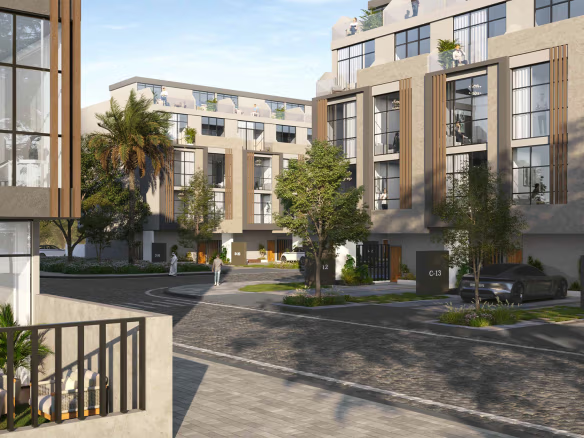




The Abu Dhabi Property Market Forecast is one of the most searched topics among investors planning to enter the UAE real estate market. While no one can predict the future with certainty, analysing economic growth, infrastructure development, population trends, and new project launches provides a strong indication of where the market is heading.
Abu Dhabi has evolved from being primarily an oil-driven economy into a diversified global investment destination. Government initiatives, world-class infrastructure, long-term residency options, and increasing foreign investment have strengthened confidence in the emirate’s property sector.
Whether you’re planning to buy your first apartment, invest in an off-plan project, or build a long-term property portfolio, understanding market trends between 2026 and 2030 can help you make more informed decisions.
Why Abu Dhabi Continues to Attract Investors
Several factors continue to support demand for residential property:
- Stable economy
- Government-backed infrastructure projects
- High quality of life
- Safe and well-regulated property market
- Growing international investor interest
- Expansion of freehold communities
These fundamentals provide long-term confidence for buyers and investors.
Trend 1: Continued Growth of Off-Plan Developments
Developers are expected to continue launching master-planned communities featuring:
- Smart homes
- Sustainable construction
- Waterfront residences
- Mixed-use developments
- Lifestyle-focused communities
Off-plan projects remain attractive because of flexible payment plans and long-term appreciation potential.
Trend 2: Demand for Lifestyle Communities
Modern buyers are no longer purchasing only a property—they’re investing in a lifestyle.
Communities offering:
- Parks
- Schools
- Cycling tracks
- Retail outlets
- Waterfront access
- Entertainment
are likely to remain among the strongest performers over the coming years.
Trend 3: Strong Demand for Family Homes
As more professionals choose Abu Dhabi for long-term living, demand for larger homes is expected to remain healthy.
Properties likely to benefit include:
- Villas
- Townhouses
- Larger apartments
- Family-oriented communities
Trend 4: Rental Market Expected to Stay Active
Population growth and corporate expansion continue to support rental demand.
Areas with established infrastructure and employment access are expected to maintain healthy occupancy levels, making rental-focused investments attractive for long-term investors.
Trend 5: Premium Waterfront Communities
Luxury waterfront developments continue attracting both local and international buyers.
Premium locations often benefit from:
- Limited supply
- Strong long-term desirability
- High-quality amenities
- Better resale appeal
Trend 6: Sustainable and Smart Developments
Environmental sustainability is becoming an increasingly important factor.
Developers are introducing:
- Energy-efficient buildings
- Smart home technology
- Green public spaces
- Eco-friendly infrastructure
These features are expected to become standard across future developments.
What Could Influence the Market?
While the outlook is positive, investors should continue monitoring:
- Interest rate movements
- Supply of new developments
- Global economic conditions
- Government policy updates
- Construction timelines
Property investment should always be based on research rather than short-term speculation.
Best Strategy for Investors (2026–2030)
Different investors have different objectives.
For Rental Income
Focus on established communities with proven tenant demand.
For Capital Growth
Consider well-located off-plan developments with strong long-term potential.
For Families
Choose communities offering schools, healthcare, and recreational facilities.
For Portfolio Building
Diversify across property types and locations rather than relying on a single investment.
Common Mistakes to Avoid
- Buying solely because of attractive payment plans
- Ignoring total ownership costs
- Focusing only on short-term price movements
- Overlooking developer reputation
- Failing to compare multiple communities before purchasing
Professional Guidance Matters
Forecasts and market reports provide useful insights, but every investor has different goals and financial circumstances.
Many buyers work with experienced agencies such as Al Zaeem Real Estate to compare projects from multiple developers, understand market trends, evaluate rental potential, and identify properties that align with their long-term investment strategy. Professional guidance can help investors make informed decisions rather than relying solely on market sentiment.
Conclusion
The Abu Dhabi Property Market Forecast for 2026–2030 points toward continued growth supported by infrastructure investment, expanding residential communities, and sustained demand from both local and international buyers.
Although no market is without risk, Abu Dhabi’s strong economic foundations, transparent regulations, and long-term development plans continue to position it as one of the region’s most attractive real estate markets.
For investors who focus on quality locations, reputable developers, and long-term planning, the years ahead may present significant opportunities to build wealth through property ownership.
FAQs
Is Abu Dhabi property expected to grow after 2026?
While future performance cannot be guaranteed, many market fundamentals—including infrastructure investment and population growth—remain supportive of long-term demand.
Is off-plan still a good investment?
Off-plan properties continue to attract investors because of flexible payment plans and potential capital appreciation, although buyers should carefully evaluate each project.
Which areas have strong long-term potential?
Communities with ongoing infrastructure development, established amenities, and strong residential demand are generally viewed positively by investors.
Is Abu Dhabi better for long-term investment than short-term speculation?
Many investors favour a long-term strategy focused on rental income and capital appreciation rather than attempting to time short-term market movements.
Should I wait or invest now?
The right time depends on your financial situation, investment objectives, and the specific property you are considering. Research and professional advice remain important before making any purchase.